When we think about migration and migrants’ experiences, a lot of us imagine the economic struggles, the cultural shock, and the difficulty of fitting into a new society. But rarely do we pause to consider the emotional and romantic lives of migrants, including single men. Are they on a wild ride of dating adventures in a new land? Or are they, in fact, facing a lonelier road than we might expect? In our latest article “He leads a lonely life: single men’s narratives of dating and relationships in the context of transnational migration” published in the Journal of Ethnic and Migration Studies we try to give you a look into this under-explored aspect of migrant lives. Spoiler alert: It’s not all roses and romance.
Let’s start by busting a myth that’s as stubborn as it is harmful—the idea that single migrant men are prowling through their new homelands like sexual predators, hunting for conquests. This stereotype paints them as aggressive, hypersexual beings who are only interested in one thing, labeling them as carriers of dangerous, foreign masculinity, which has been skillfully described by Paul Scheibelhofer years ago (2017). However, the reality is much more complex and, dare I say, relatable. The men interviewed in our study (we spoke to 51 single migrants from Bangladesh, Poland, Romania, and Syria, who live either in Sweden or Italy) are only rarely chasing after endless sexual encounters. Instead, they are usually searching for something far more meaningful—love, partnership, and a genuine connection. Unfortunately, this quest is often met with obstacles that leave them feeling frustrated and, ultimately, lonely. It turns out that being a single migrant man isn’t the playboy fantasy some might imagine; it’s more like a rom-com where the lead never quite gets the girl.
So, what’s dating like for these guys? Picture this: you’ve moved to a new country, you’re trying to navigate a different language, culture, and social norms, and on top of that, you’re trying to date. It’s not easy, and the men in the study describe their experiences as challenging, to say the least. They often find themselves on the receiving end of stereotypes and prejudice, with potential partners making assumptions based on their background. Some face outright rejection, while others are reduced to nothing more than their ethnicity or nationality. Some of them give up after a while, but others try again. They continue to search for meaningful relationships, even when the dating game feels like an uphill battle. The study highlights how their pursuit of love is often accompanied by a deep sense of frustration and loneliness. For many, the journey to finding a partner in a foreign land is fraught with misunderstandings, cultural barriers, and a lack of social networks. It’s not that they don’t want to connect; it’s that the odds are stacked against them.
One of the most striking findings from this research is just how lonely the experience of dating can be for these men. Migration often means leaving behind family, friends, and the familiar comfort of home. For single men, this can lead to a profound sense of isolation. They’re trying to build a new life in a place where they may not know anyone and where making new connections—romantic or otherwise—can be incredibly difficult. The men in the study talk about how this loneliness affects them deeply. They’re not just looking for a partner; they’re looking for a sense of belonging. And when that’s hard to find, it can be crushing. This isn’t just a matter of being unlucky in love; it’s about the broader challenges of integration and the emotional toll that migration can take.
Now, let’s get a bit nerdy for a moment because this research isn’t just about telling a story; it’s also about advancing theory in some pretty cool ways. In our analyses, we utilize the concept of sexual capital (Kaplan and Illouz 2021) in the context of migration—a move that’s as innovative as it is insightful. Sexual capital is all about the social value a person has in the dating market. Think of it as the romantic equivalent of a credit score—it affects your desirability and the kind of relationships you can attract. The study argues that migration creates a unique sexual field where the rules are different and where migrants often find themselves with a lower “sexual credit score” than they might have had back home. In our view, this is a fresh way of looking at migration, love, and dating, and it opens up new avenues for understanding how these men navigate their romantic lives. But we don’t stop there. We also continue developing the concept of the sexual field (Green 2013) within the context of migration. A sexual field is essentially the social environment in which dating and relationships happen, influenced by factors like culture, social norms, and power dynamics. We argue that migration itself is a specific sexual field with its own unique challenges and dynamics. IOHO, this is rather a unique way of analyzing migration and integration. By framing migration in this way, our research provides a new lens through which to understand the struggles and strategies of single migrant men in their search for love.
What makes this study so unique is its focus on a group that’s often overlooked or misunderstood in both academic research and popular media. Single migrant men are typically either ignored or demonized, but this research humanizes them, showing that their romantic lives are filled with the same hopes, dreams, and disappointments that anyone else might experience. By focusing on their narratives, we give a voice to men who are often silenced or marginalized. It challenges the stereotypes that paint them as predators and instead presents them as individuals navigating a complex and often unforgiving dating landscape.
If there’s one thing to take away from this research, it’s that single migrant men are not sexual predators or heartless Casanovas, as some might assume. They’re people—people who are often lonely, frustrated, and just trying to find love in a new and challenging environment. Their stories remind us that migration isn’t just an economic or political issue; it’s a deeply personal one, affecting every aspect of a person’s life, including their ability to form meaningful relationships. This study also reminds us of the importance of empathy and understanding. It challenges us to look beyond stereotypes and see the real, complex human beings behind them. And for those interested in the academic side of things, it pushes the boundaries of how we think about migration, dating, and the social dynamics that shape them. So, next time you hear someone making sweeping generalizations about single migrant men, remember our findings. They’re not out to conquer; they’re just trying to connect—just like the rest of us. And in that, there’s something truly relatable, human, and worthy of our attention and understanding.
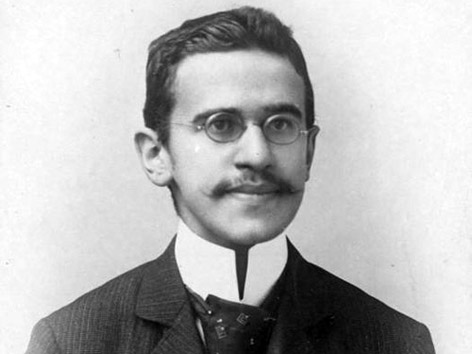 I am pleased to announce that my publication on Otto’s Weininger’s book
  In her last essay on the new politics of masculinity and migration, Pierrette Hondagneu-Sotelo, sociology professor at the University of Southern California (USC), wrote that the current presidential election in the US has an extraordinary dynamic, as one of the most important discursive categories is (traditional) masculinity, supported by misogyny and xenophobia, which at certain point dominated Trump’s campaign (
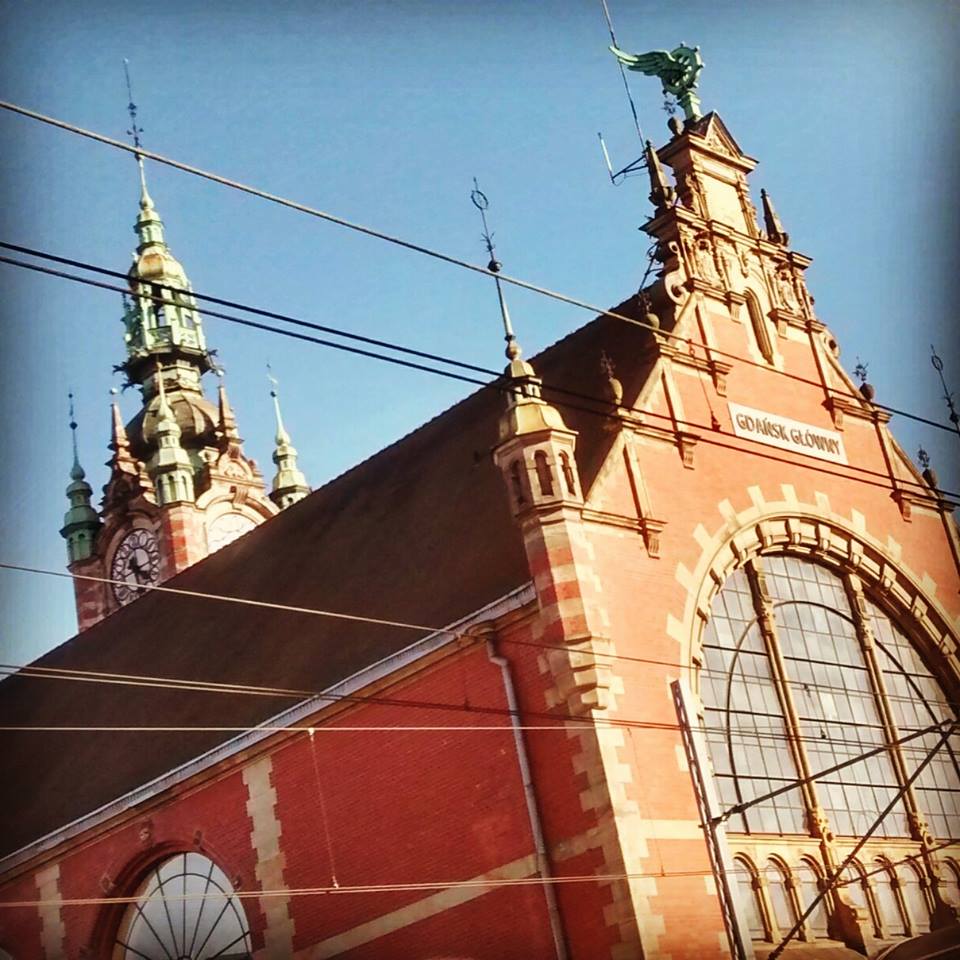 As you may have noticed already, it usually takes me a few weeks or even months to reflect on the events that I attend, and my comments mostly refer to the conference/workshop content, as I try to focus on men and masculinities and/or gender issues that are discussed during the event. This time, however, is slightly different because not only did the conference end six days ago, but I am also changing my focus from the content to the interactions that I observed. So let me start with the basics.
 The Guest Editors of the Special Issue of
 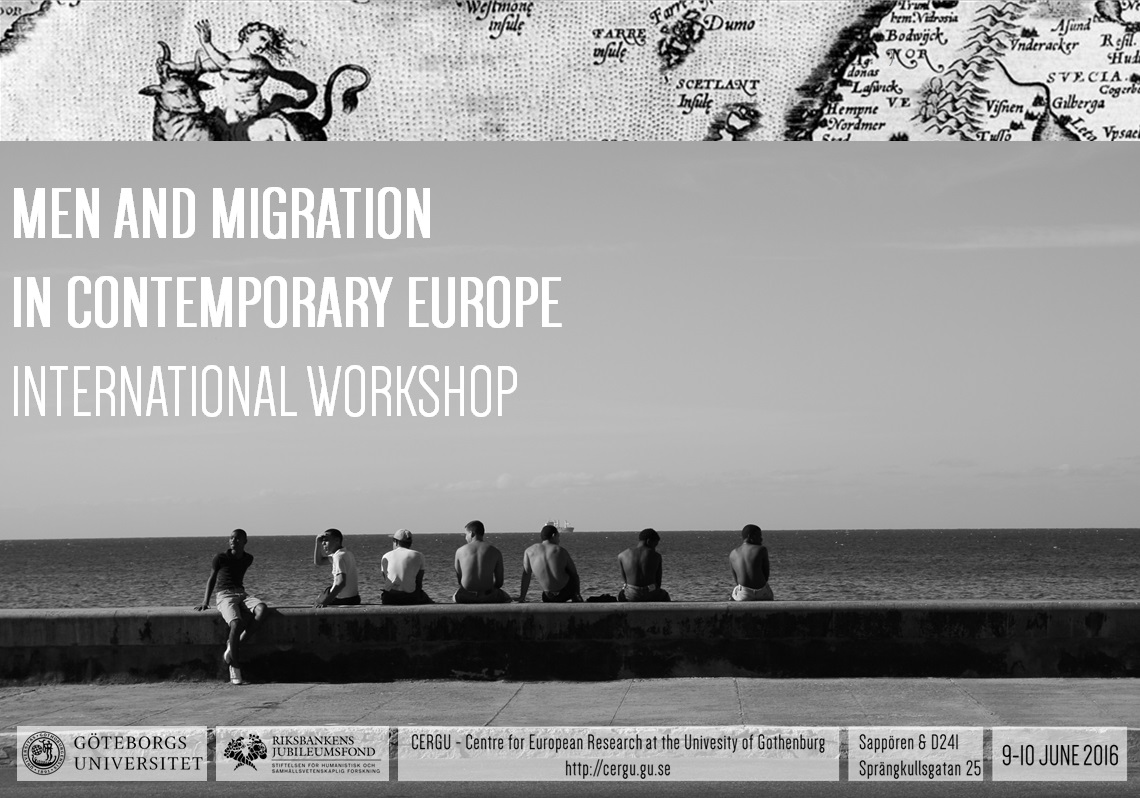 Between the 9th and 10th of June 2016 a group of social science scholars from multiple disciplines such as sociology, law, political science and gender studies from Sweden, the United States, Poland, Estonia, Germany, the United Kingdom, and Italy gathered at the
  Dr. K & THE men